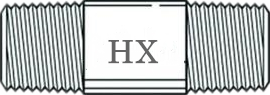


Bir boru çubuğu paslandığında, su hasarına, sistem durgunluğuna, su kaybına neden olan ince, çatlak veya iğne deliği sızıntıları geliştirebilir.ve pahalı onarımlarBoru çubukları için mevcut çeşitli malzemeler arasında, tunç uzun süredir pas ve oksidasyona karşı doğal direnci nedeniyle değerlidir.Tüm bakır borular aynı seviyede korozyon koruması sunmazBu makalede bakır korozyon dayanıklılığını etkileyen faktörler ve özellikle tedarikçilerden neden malzeme kalitesi açıklanıyor.Hongxin boru armatürleri, kritik bir fark yaratıyor.
Bakır, esas olarak bakır ve çinkodan oluşan bir alaşımdır.Alaşımın mekanik özelliklerini ve korozyon davranışını belirlerBoru armatürleri için kullanılan en yaygın tunç alaşımı C37700 veya benzeri, tipik olarak yaklaşık% 60 bakır ve% 40 çinko içerir.Ama dezincifikasyon olarak bilinen belirli bir korozyona karşı hassas olabilir..
Dezincifikasyon, bakırdaki çinko içeriğinin agresif su koşulları, özellikle sıcak, durgun veya klorür veya karbondioksit yüksek su ile seçici olarak dışarıya aktığı zaman meydana gelir.Çinko çözüldüğünde, uygunluk gözenekli ve zayıflaşır, sonunda sızıntılar oluşur.Bir bakır borusunun demetlenmesi, alaşım düzgün bir şekilde formüle edilmezse yılların yerine aylar içinde yok olabilir..
Bu durumla mücadele etmek için, yüksek kaliteliBakır boru çubuklarıBazen "kırmızı tunç" olarak adlandırılan, dezinsifikasyonya dirençli (DZR) tunç alaşımları kullanılarak üretilmektedir." DZR tunç küçük miktarda arsenik veya diğer inhibitörler içerir..Hongxin boru armatürleriİçme suyu ve yüksek korozyonlu uygulamalar için tasarlanmış tüm boruları için DZR sınıfı pirinç kullanır ve zorlu su kimyasallarında bile uzun süreli performans sağlar.
Alaşım bileşiminin ötesinde, üretim süreci korozyon direncini de etkiler.katı çubuk malzemelerinden yapılan dövme veya işlenmiş tunç borular yoğun bir, boşlukları olmayan tekil mikrostruktur.Hongxin Bakır boru armatürleriBakır teçleri için dökme yerine hassas işleme kullanır, sonuç olarak pürüzsüz bir iç boru ve korozyona karşı dirençli tutarlı bir duvar kalınlığı elde edilir.
Kurulum ortamı da önemlidir. Dışarıda kullanılan tunç borular, galvanik korozyona neden olabilecek çelik veya alüminyum gibi benzersiz metallerle doğrudan temas etmekten korunmalıdır.Bakır bir ti bir çelik boruya bağlanmak zorundaAynı şekilde, toprağa gömülmüş bakır çubuklar korozyona karşı dayanıklı bant veya kol ile sarılmalıdır.Özellikle asidik veya tuzlu topraklarda.
Sistem tasarımcıları ve bakım mühendisleri için doğru tunç boru çubuğunu seçmek alaşım, üretim yöntemi ve kurulum koruması arasında bir denge gerektirir.Hongxin boru armatürleritalep üzerine tam malzeme sertifikaları sağlar, satın aldığınız bakır tees'in DZR standartlarına uygun olduğunu doğrulamanıza izin verir.Bu şeffaflık, tesisat kurallarına veya çevresel düzenlemelere tabi olan projeler için özellikle önemlidir..
Kısacası, standart tunç boru çubuğu orta sıcaklıklarda temiz, nötr suda yeterli performans gösterebilir.Kalite odaklı bir tedarikçiden DZR sınıfı tunç tişörüne yatırım yapmak.Hongxin boru armatürleriBu, erken arızaları önleyen ve sistemin güvenilirliğini artıran sağduyulu bir karardı.